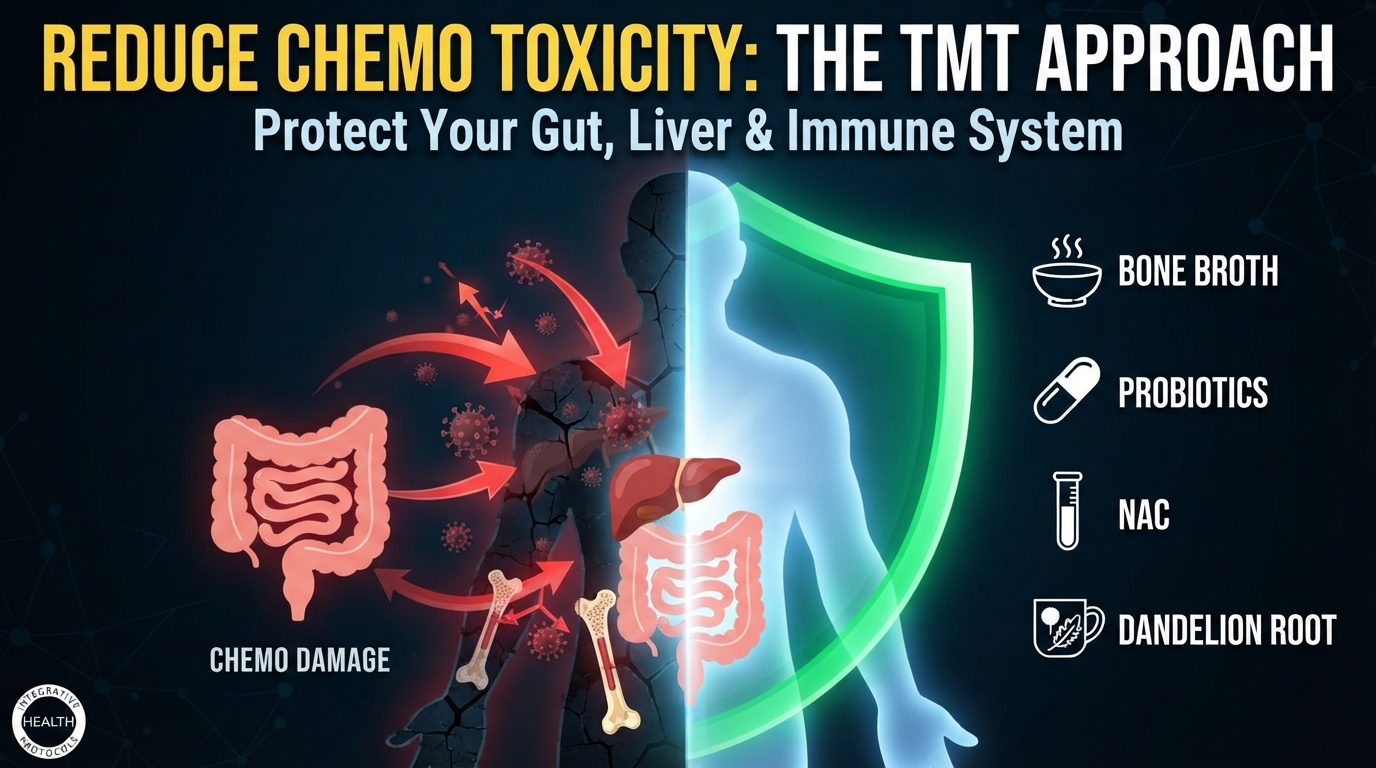
When cancer treatment is discussed, the conversation almost always focuses on the tumor. We talk about tumor shrinkage, staging, and remission rates. But there is a massive, highly consequential piece of the puzzle that rarely gets addressed—even by oncologists: the collateral damage inflicted on the rest of the body.
Traditional chemotherapy was built on a foundational logic: Target rapidly dividing cells, because cancer cells divide fast.
While that logic sounds straightforward, it comes with a fatal flaw. Your body is full of healthy, vital cells that also divide rapidly. Because standard chemotherapy drugs lack the ability to distinguish between malignant tissue and healthy tissue, they engage in non-selective cytotoxicity.
Here is what that actually looks like inside the body—and more importantly, how patients can begin to protect and support their bodies through the process.
The 5 Primary Casualties of Chemotherapy
1. Bone Marrow (Your Immune Factory)
Your bone marrow is a high-speed production line, constantly churning out every single blood cell your body needs to survive. Because these cells multiply rapidly, chemo hits the marrow hard. The result is collapsed immunity, severe anemia, and a dangerous risk of internal bleeding.
2. Hair Follicles
Hair follicles house some of the fastest-dividing cells in human biology. When exposed to systemic chemotherapy, these cells trigger programmed cell death (p53-dependent apoptosis). This leads to widespread hair loss, and in certain drug combinations, permanent follicle damage.
3. The Gut Lining
The intestinal epithelial lining completely renews itself every 3 to 5 days, making it a primary target for chemo. The drug destroys this barrier, leading to microbiome collapse and allowing gut bacteria to cross into the bloodstream. When the gut lining breaks down, your body’s foundation for nutrient absorption, immunity, and overall healing crumbles.
4. The Liver (The Ultimate Detox Filter)
Every single drop of systemic chemotherapy must be metabolized through the liver. This overload causes severe oxidative stress, mitochondrial dysfunction, and the death of liver cells (hepatocytes). Unfortunately, this damage doesn’t reset between treatments; it accumulates with every single cycle.
5. The Immune System at Its Root
Your body relies heavily on T-cells and Natural Killer (NK) cells to hunt down stray cancer cells. Ironically, these vital immune defenders are also rapidly dividing and highly chemo-sensitive. Their destruction leaves cancer stem cells unsurveilled, sometimes allowing dormant metastases to reactivate. This is why many patients finish months of grueling chemotherapy feeling weaker and more vulnerable than when they started.
The Bottom Line: Moving Toward Targeted Metabolic Therapy
Traditional chemotherapy operates like a sledgehammer when what the body needs is a scalpel. It targets cell division blindly, devastating the bone marrow, gut, liver, hair follicles, and immune system along the way.
Real, modern cancer therapy cannot afford to tear down the host to kill the tumor. True healing requires an approach that protects and strengthens the body while dismantling the cancer. This is the core philosophy of a Targeted Metabolic Therapy Protocol—focusing on precision, metabolic pathways, and non-toxic interventions.
How to Reduce Chemo Toxicity: The Core Strategy
Minimizing chemotherapy’s collateral damage requires protecting vulnerable organs while supporting the body’s metabolic health. Here is a concise, actionable approach:
- 1. Follow the Whole TMT Protocol: Utilize Targeted Metabolic Therapy to address underlying metabolic dysfunctions and buffer healthy cells from oxidative stress.
- 2. Prioritize Gut Repair: Use bone broth (rich in amino acids like glutamine to rebuild the intestinal lining) and probiotics to restore microbiome balance and prevent gut permeability.
- 3. Optimize Liver Detoxification: Support hepatic function with NAC (N-Acetyl Cysteine, a powerful glutathione precursor) and dandelion root tea to help clear metabolic waste and protect liver cells.
Always consult your oncology team before introducing new supplements or protocols during active treatment.

